


THE
FORGE NEVER CLOSES
The rise is not the finish line.

A man may survive the crash.
He may face the fire.
He may enter the forge.
He may begin to rise.
But rising does not mean he is finished. . .
It does not mean the old patterns can never return.
It does not mean pride has disappeared.
It does not mean temptation has lost his address.
It does not mean discipline is no longer necessary.
It does not mean he has outgrown correction, surrender, prayer, repentance, or brotherhood.
The Phoenix Man is not a completed man.
He is a committed man.
A man who understands that becoming new is not one dramatic moment.
It is a lifelong pursuit.
The forge never closes.
The moment a man believes he is completed.
One of the most dangerous moments in a man’s rebuild comes when he mistakes progress for completion.
He survived the collapse. . .
He made changes.
He repaired some damage.
He returned to God.
He became more disciplined.
He found purpose again.
He learned to speak more honestly.
He began showing up differently.
Then, quietly, he starts to relax.
He stops examining himself. . .
He stops listening closely.
He stops inviting correction.
He stops returning to the places where truth once burned through him.
He begins trusting the new image as much as he once trusted the old one.
The man who believes he has finished becoming is already drifting.
Because the old man does not always return loudly.
Sometimes he returns as confidence without humility. . .
Strength without surrender.
Conviction without compassion.
Discipline without dependence on God.
Leadership without accountability.
Knowledge without obedience.
The Phoenix Man does not confuse progress with completion.
He remains teachable.

The forge is not punishment.
Some men hear the word forge and imagine endless pain.
That is not the point. . .
The forge is where heat, pressure, truth, correction, and shaping produce strength. . .
It is where weakness is exposed before it becomes collapse.
It is where pride is confronted before it becomes destruction.
It is where hidden motives are examined before they become betrayal.
It is where a man returns to God before distance becomes spiritual numbness.
The forge is not where God endlessly condemns a man.
It is where God continues refining him.
The fire exposes.
The forge forms.
Every season brings new material.
The man you were at forty will not face exactly the same battles as the man you become at sixty.
Different seasons expose different weaknesses.
Marriage exposes one kind of man. . .
Fatherhood exposes another.
Failure exposes another.
Success exposes another.
Loss exposes another.
Age exposes another.
Leadership exposes another.
Loneliness exposes another.
Retirement exposes another.
A man may overcome one pattern only to discover another buried beneath it. . .
He may gain discipline and discover pride.
He may gain confidence and discover control.
He may learn to speak and discover that he still does not listen.
He may return to faith and discover that religious activity is not the same as surrender.
He may become strong enough to help others and discover that being needed can become another addiction.
The forge never closes because every season reveals new material.
Success also requires heat.
Most men understand why failure can expose them.
Fewer understand that success can do the same.
Success tests whether a man will remain humble. . .
Whether he will stay grateful.
Whether he will continue listening.
Whether he will remember God.
Whether he will remain accountable.
Whether he will use influence to serve or consume.
Whether he will become proud of the man he has become.
A man can survive the ashes and still be destroyed by applause.
The Phoenix Man does not only return to the forge when life hurts.
He returns when life is going well.
Especially then.
The old man may still know the way home.
Do not misunderstand transformation.
The old man may no longer rule you.
But he may still remember your weaknesses.
He remembers the old escape routes. . .
The hidden appetite.
The private resentment.
The fantasy.
The anger.
The need for validation.
The desire to control.
The temptation to disappear.
The instinct to blame.
The old man often waits for fatigue. . .
Stress.
Isolation.
Success.
Disappointment.
Spiritual distance.
Unresolved conflict.
Then he whispers:
“You have earned this.”
“You are strong enough now.”
“No one needs to know.”
“It will not become what it was before.”
Brother, that is why the forge never closes.
Not because you are doomed.
Because vigilance is part of freedom.
Repentance remains part of the walk.
Repentance is not only the doorway into transformation.
It remains part of the Phoenix Man’s life.
The mature man does not become a man who never needs correction.
He becomes a man who responds to correction more quickly.
He notices the drift. . .
He tells the truth sooner.
He apologizes without building a defense.
He confesses before exposure becomes public.
He removes what is feeding the pattern.
He repairs what he can.
He returns to God without waiting for catastrophe.
Repentance changed his direction.
Transformation changed the man walking in that direction.
But the man still keeps walking.
Discipline is not a season.
Some men become disciplined only while they are desperate. . .
They pray because the marriage is collapsing.
They exercise because the doctor frightened them.
They seek brotherhood because isolation finally became unbearable.
They read Scripture because the darkness became too heavy.
Then the crisis passes. . .
The urgency fades.
The disciplines disappear.
That is not a rebuilt life.
That is temporary emergency behavior.
The Phoenix Man does not live only from crisis to crisis. . .
He creates a way of life.
He continues doing what builds the man even when nothing is visibly falling apart. . .
He prays before panic.
He tells the truth before exposure.
He seeks counsel before collapse.
He rests before exhaustion.
He returns to brotherhood before isolation feels normal again.
The forge never closes because discipline must become identity.
Brotherhood is not only for broken men.
A dangerous lie says:
“I needed brothers when I was struggling, but I am stronger now.”
No.
Brotherhood is not remedial care for weak men.
It is part of the structure of a healthy man.
The Phoenix Man does not outgrow the Ember Room.
He may enter ashamed. . .
He may enter silent.
He may enter desperate.
He may enter unsure whether he belongs.
But eventually, something changes.
He begins to speak. . .
He begins to listen.
He begins to pray for another man.
He begins to recognize the same old fire in someone else.
He begins to offer the support he once needed.
The man who entered looking for help becomes the brother who stays to help another man rise.
That is not graduation from brotherhood.
That is the deeper work of brotherhood.
The forge changes what it asks of you.
At first, the forge may ask you to stop. . .
Stop lying.
Stop hiding.
Stop blaming.
Stop feeding the addiction.
Stop avoiding God.
Stop disappearing from the people who love you.
Later, the forge may ask you to build. . .
Build trust.
Build discipline.
Build spiritual depth.
Build emotional maturity.
Build a healthier body.
Build honest relationships.
Build useful work.
Build a life of service.
Later still, the forge may ask you to give. . .
Give wisdom.
Give time.
Give encouragement.
Give correction.
Give protection.
Give testimony.
Give another man hope.
The forge does not always feel the same.
But it never stops forming the man.
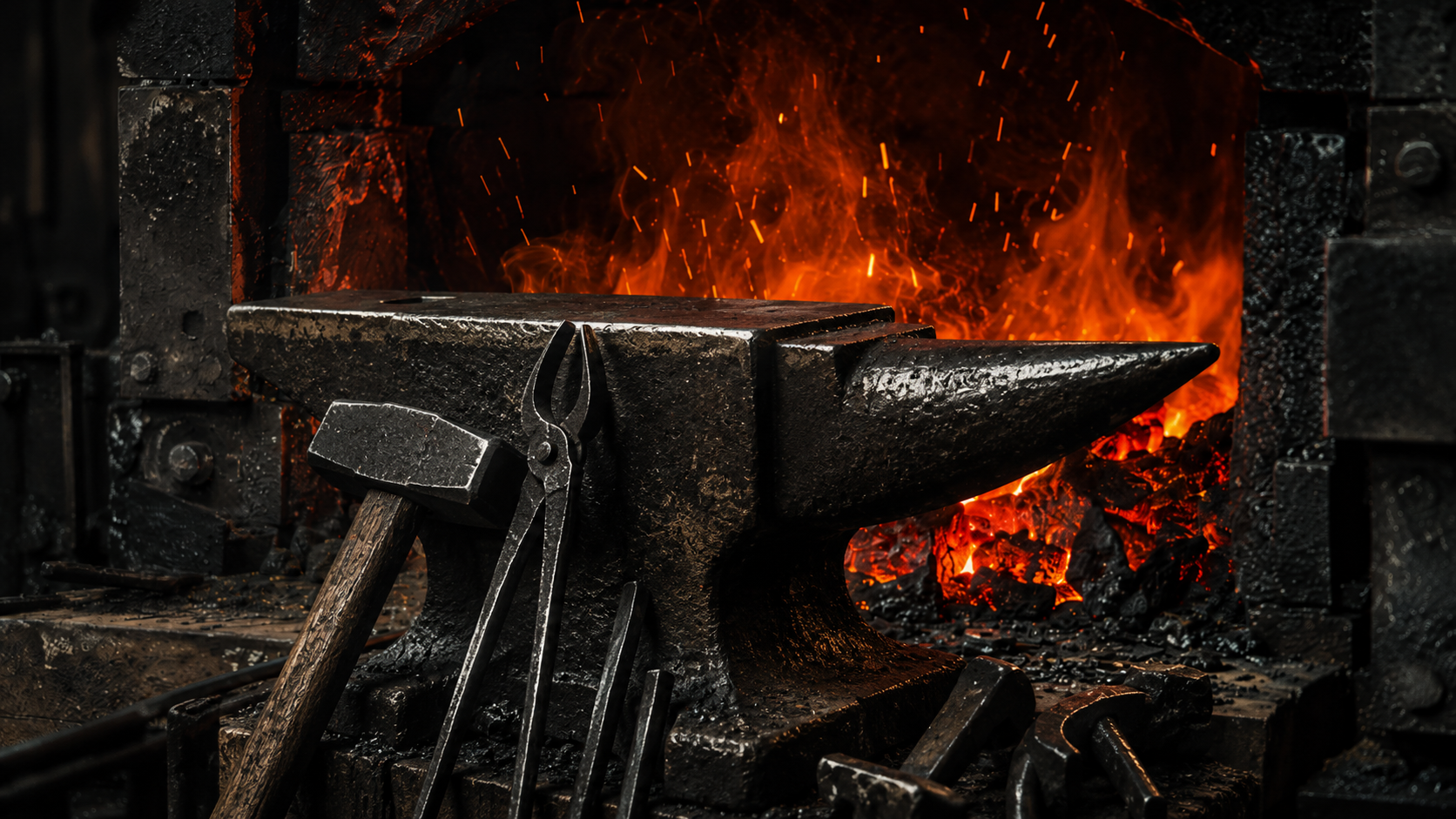
God is still the Builder.
The Phoenix Man must never confuse participation with self-creation.
Yes, you must show up. . .
You must tell the truth.
You must practice discipline.
You must accept responsibility.
You must make repairs.
You must choose obedience.
You must remain connected to brothers.
But you are not the ultimate source of your transformation.
God is.
God exposes. . .
God convicts.
God corrects.
God strengthens.
God restores.
God forms.
God sends.
The man participates.
God rebuilds.
The moment a man starts worshiping his discipline, his strength, his insight, or his transformation, the forge is needed again.
You were not rebuilt only so you could feel better.
You were rebuilt to become useful. . .
Useful to your family.
Useful to your brothers.
Useful to the hurting.
Useful to the Kingdom.
Useful to God’s purposes.
The Phoenix Man carries scars, but he does not waste them. . .
He remembers what isolation felt like.
He remembers the shame.
He remembers the confusion.
He remembers the night the old life stopped holding.
He remembers the man who needed one brother to care.
Then he becomes that brother.
The forge never closes because the mission keeps expanding.
The pursuit continues.
The rise is not the ending.
It is the beginning of a different walk.
The Phoenix Man keeps becoming. . .
He keeps listening.
He keeps surrendering.
He keeps learning.
He keeps repenting.
He keeps serving.
He keeps returning to God.
He keeps standing with brothers.
He keeps moving toward the man he has been called to become.
Not out of fear that God will abandon him.
But out of gratitude that God did not leave him in the ashes. . .
The crash exposed it.
The fire revealed it.
The forge rebuilt it.
The Phoenix rose from the ashes.
The Phoenix Man emerged.
The pursuit continues.
Return to the forge.
Brother, ask yourself:
Where have I started drifting?
What discipline have I abandoned?
What truth have I stopped telling?
What correction have I resisted?
What brother have I avoided?
What part of my life have I quietly removed from God’s hands?
Do not wait for another crash to answer.
Return now. . .
Return while the smoke is still light.
Return while your heart can still hear conviction.
Return before the old man begins rebuilding the rooms you already escaped.
The forge is not closed.
The fire is still lit.
God is still working.
And you are still becoming.
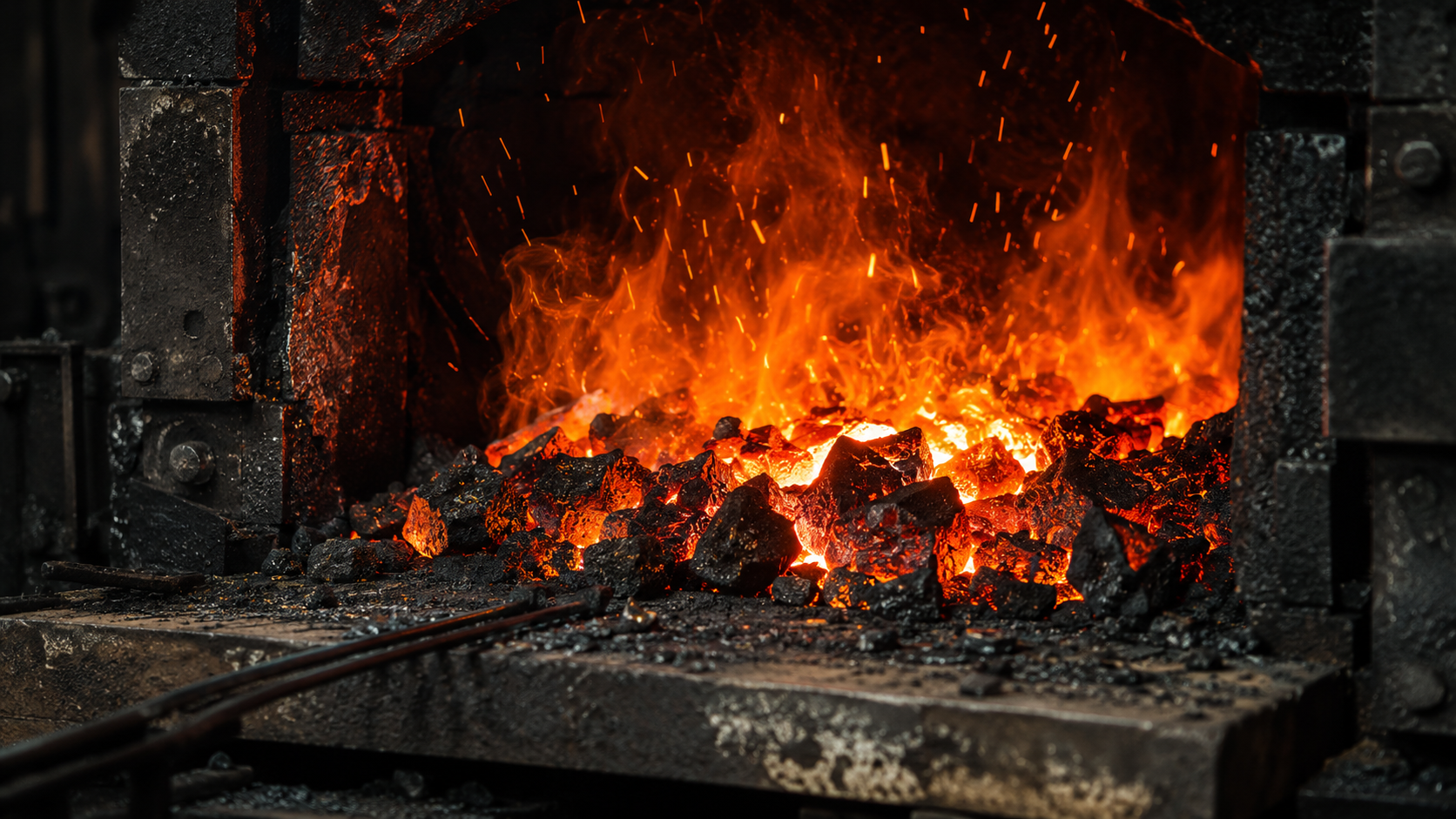
The Forge Never Closes
A daily standard for truth, surrender, discipline, obedience, brotherhood, and purpose.
The next chapter begins after the rise.
Return to the Ember Room. No man remains strong alone.
Raw letters for men committed to staying in the forge.